Gas Engine Diagnostics and Repair in Texarkana for personal vehicles and light commercial trucks operating across the Ark-Tex region
Diagnosis That Finds the Actual Problem
Code clearing without root-cause diagnosis sends drivers back onto East Texas roads with a temporary fix that fails again—often at higher cost once heat stress or electrical load triggers the same underlying fault. Anthony Truck Bus and Auto diagnoses gasoline engine failures by tracing fault codes to the mechanical or electrical issue causing them, then completes repairs that eliminate the problem rather than masking symptoms. This service applies the same dealership-alternative quality and pricing to everyday gas vehicles that the business brings to specialty trucks, buses, and RVs, and mobile capability means the work happens at your vehicle's location in Texarkana, Wake Village, or anywhere across the service area. Nearly 30 years of experience across gas and diesel platforms allows the technician to differentiate between a sensor fault and an actual component failure, preventing parts replacement that doesn't solve the problem.
Gas engines fail in recognizable patterns: ignition system faults cause misfires and rough idle, fuel delivery issues trigger hesitation under load, and emissions system failures illuminate the check engine light without producing drivability symptoms. Accurate diagnostics identify which failure pattern matches the vehicle's behavior, then confirm the root cause before recommending repair.
Request a mobile diagnostic appointment to identify what's causing your vehicle's check engine light or performance issue.
What Root-Cause Repair Solves
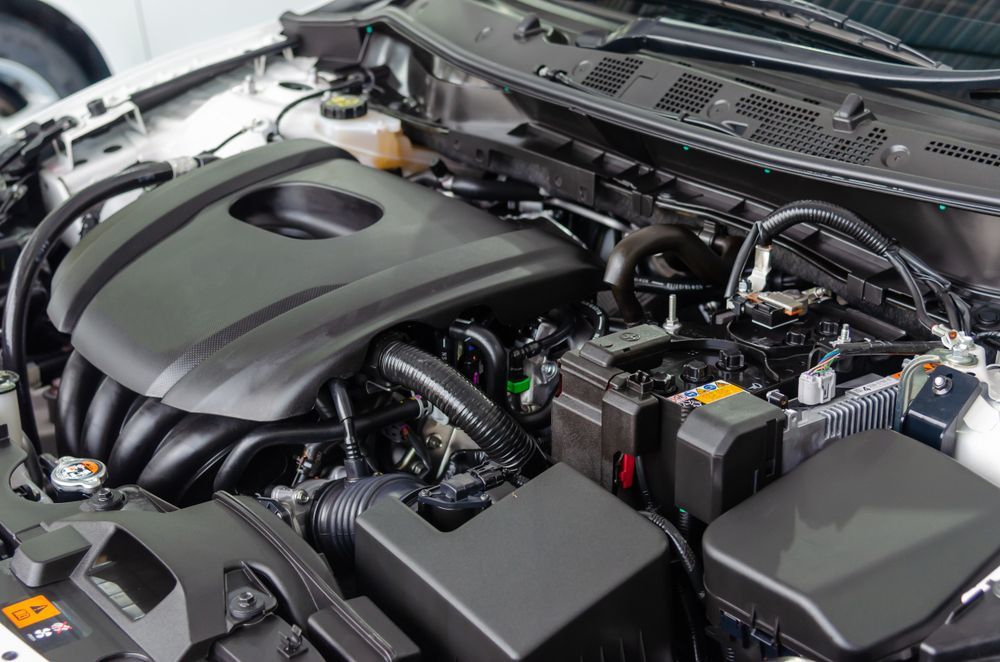
East Texas heat accelerates wear on ignition coils, fuel pumps, and cooling system components in gasoline engines, and vehicles that undergo repeated short trips without reaching full operating temperature face carbon buildup and sensor fouling that trigger fault codes even when major components remain functional. Diagnostic work separates actual failures from maintenance-related issues, preventing unnecessary parts replacement while addressing the mechanical problems that will cause breakdowns if left unresolved. The process uses scan tools to pull codes, live data monitoring to observe sensor behavior under operating conditions, and physical inspection to verify component condition before any repair begins.
After the repair is finished, the check engine light stays off, the engine idles smoothly without hesitation, and acceleration responds correctly under throttle input. Fuel economy returns to baseline, emissions systems pass inspection, and the vehicle operates without the misfires, stalling, or rough running that prompted the diagnostic request. The difference between clearing codes and solving problems shows up in whether the light returns—accurate repair eliminates the fault permanently, while surface-level service leaves the root cause active until it escalates into a breakdown.
This service targets drivability and emissions failures that can be repaired without removing the engine or requiring specialized machine shop work. If diagnosis reveals a failure that demands stationary infrastructure—engine removal, transmission rebuild, or frame repair—that determination happens before disassembly, with a clear explanation of why mobile service cannot complete the job.
Questions About Gas Engine Diagnostics
Vehicle owners across the Texarkana area want to understand what diagnostic tools reveal, how long repairs take, and whether mobile service matches shop-based quality.
What causes check engine lights to return after codes are cleared?
The underlying mechanical or electrical fault remains active—clearing the code erases the warning without fixing the problem, so the engine control module detects the same failure and illuminates the light again, often within hours or days.
How does East Texas heat affect gas engine reliability?
High ambient temperatures stress cooling systems, accelerate fuel evaporation in poorly sealed systems, and cause ignition components to fail earlier than in moderate climates—vehicles parked in direct sun without shade face the highest component failure rates during summer.
Can mobile diagnostics identify intermittent faults that only occur under specific conditions?
Yes—live data monitoring captures sensor behavior during test drives or simulated load conditions, revealing failures that only appear when the engine is hot, under acceleration, or operating at highway speed.
Why do gasoline engines in Texarkana need diagnostics rather than just parts replacement?
Modern fuel injection and emissions systems rely on dozens of sensors and actuators—replacing parts without confirming the root cause wastes money on components that weren't failing and leaves the actual problem unresolved.
What happens if the diagnostic reveals a problem that cannot be fixed on-site?
You receive a detailed explanation of what failed, why mobile service cannot complete the repair, and what the next steps are—no vehicle is left disassembled or in worse condition than before the diagnostic began.
Anthony Truck Bus and Auto provides accurate gas engine diagnostics and root-cause repair for personal vehicles and light commercial trucks, bringing the same straightforward, no-nonsense approach to everyday drivers that the business applies to specialty equipment. Schedule a diagnostic session to address the issue currently affecting your vehicle's performance or triggering warning lights.