Preventative Maintenance in Texarkana for personal and commercial vehicles needing interval-based service that accounts for East Texas heat and humidity conditions
Maintenance Before Breakdowns Happen on Routes
East Texas heat accelerates fluid breakdown, belt wear, and coolant degradation faster than milder climates—skipping scheduled maintenance in this region leads to roadside failures during the worst possible conditions. Preventative maintenance from Anthony Truck Bus and Auto involves interval-based fluid changes, filter replacements, belt and hose inspections, and scheduled upkeep at your location across the Texarkana area. The service covers all vehicle types including RVs, heavy trucks, buses, and specialty vehicles, with intervals set by mileage, engine hours, and application rather than a generic windshield sticker that doesn't account for how the vehicle is actually used.
PM intervals vary by vehicle type and duty cycle—a delivery truck running stop-and-go routes needs more frequent service than a personal pickup driven on highways. Mobile service brings the tools and supplies to your location, whether that's a residential driveway in Nash, a commercial lot in Wake Village, or a fleet yard along the I-30 corridor. The work happens on your schedule without requiring a trip to a shop or waiting for an available service bay.
Request a preventative maintenance evaluation to establish service intervals based on your vehicle's current condition and usage.
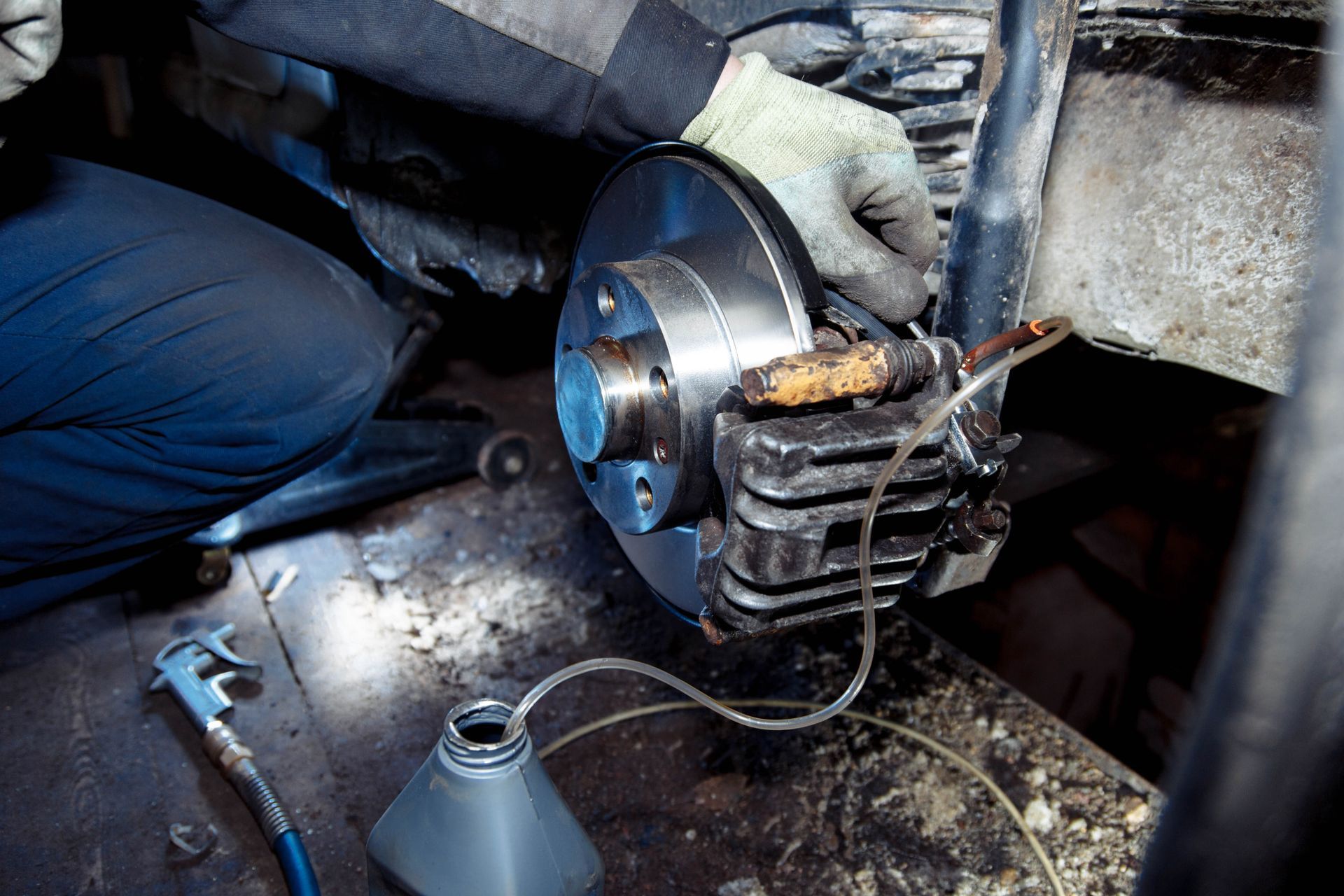
What Changes After Interval-Based Service Is Finished
Scheduled maintenance addresses wear before it becomes a failure, which means you'll notice smoother engine operation, quieter accessory belt noise, and more consistent cooling system performance. Fresh engine oil maintains proper viscosity even during extended idling in Ark-Tex summer heat, while new coolant prevents corrosion and maintains heat transfer efficiency in the radiator and engine block. Clean air and fuel filters restore proper airflow and fuel delivery, which directly affects throttle response and fuel economy.
You'll have written documentation of what was serviced, what fluids were installed, and what components were inspected during the visit. That record supports warranty requirements, helps track long-term maintenance costs, and provides service history documentation if you sell the vehicle later. Belts and hoses are visually inspected for cracks, fraying, or soft spots that indicate upcoming failure—catching those issues during scheduled service prevents being stranded with a snapped belt or burst hose on a summer afternoon.
Preventative maintenance doesn't include major repairs or component replacements unless those are identified during the inspection and agreed upon in advance. The goal is to keep vehicles running reliably by addressing predictable wear items before they fail, not to perform unnecessary work. Service intervals can be adjusted based on how the vehicle is used—short trips, heavy loads, and extreme temperatures all affect how quickly fluids degrade and components wear.
Common Questions About This Service
Property owners and fleet operators across the Texarkana area often ask similar questions about what preventative maintenance actually involves and how it differs from repair work.
What's included in a typical preventative maintenance visit?
Most PM visits include engine oil and filter changes, coolant level checks, air filter inspection or replacement, belt and hose inspection, fluid top-offs for brake and power steering systems, and a visual check of suspension and brake components. Specifics vary by vehicle type and agreed-upon service intervals.
How does Ark-Tex heat affect maintenance intervals?
High ambient temperatures cause engine oil to break down faster, coolant to degrade more quickly, and rubber belts and hoses to crack sooner than in moderate climates. Vehicles operating in East Texas typically need shorter service intervals than the same vehicles would require in cooler regions.
Why does mobile preventative maintenance make sense for RVs and specialty vehicles?
Large RVs and specialty vehicles are difficult to maneuver into standard shop bays, and many owners prefer not to drive them unnecessarily. Mobile service eliminates the logistics problem and allows maintenance to happen wherever the vehicle is parked, whether that's a storage lot, a driveway, or an RV park.
How do you determine the right service interval for a specific vehicle?
Service intervals are based on manufacturer recommendations adjusted for actual usage patterns—engine hours, load weight, trip length, and operating environment all factor into the schedule. A work truck hauling loads daily needs more frequent service than a personal vehicle driven occasionally.
What happens if the inspection reveals additional wear or upcoming failures?
You receive a written assessment of any issues found during the inspection, along with recommendations for repair timing. You decide whether to address the issue immediately or schedule it for a later visit—there's no pressure to authorize work that isn't urgent.
Anthony Truck Bus and Auto has provided mobile mechanical service across the Texarkana area for nearly 30 years. Schedule a PM visit to establish a maintenance plan that accounts for how your vehicle is actually used and the conditions it operates in throughout the Ark-Tex region.