Safety and Compliance Inspections in Texarkana for commercial trucks, buses, and specialty vehicles operating along the I-30 corridor where DOT enforcement is active
Inspection Records That Keep Fleets Legal
Failing a roadside inspection along I-30 can ground a truck and cost a full day's revenue, while school buses face state-level safety compliance regulations in both Texas and Arkansas that require documented inspection records. Anthony Truck Bus and Auto provides mobile DOT and safety inspections at your fleet location, covering commercial trucks, school buses, and charter buses with written documentation of every finding. You'll have records ready for roadside or terminal audits, and the inspection happens on your schedule without pulling vehicles off routes or waiting for shop availability.
Safety inspections include brake function tests, lighting and electrical system checks, tire tread depth and condition assessments, steering and suspension component inspections, and fluid leak detection. The inspection follows federal DOT guidelines and state-specific requirements that apply to vehicles operating in the Texarkana area. Mobile service means inspections happen at the fleet yard or depot, so vehicles don't lose service hours traveling to and from a fixed inspection facility.
Schedule a compliance inspection before your next DOT audit deadline or state safety certification renewal.
What Proper Safety Inspection Requires
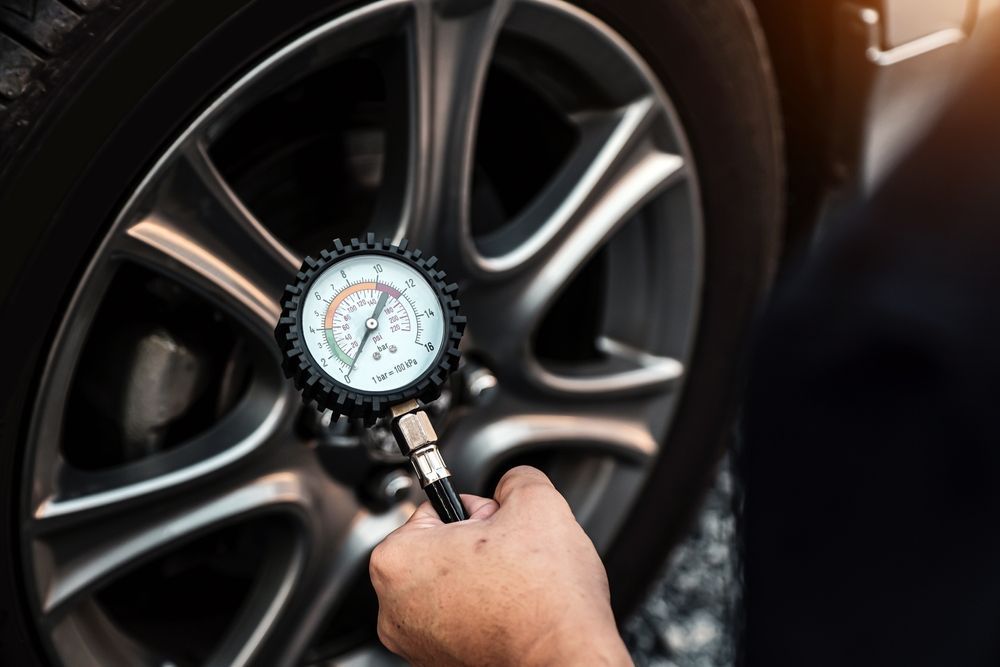
Compliance inspections begin with a comprehensive walk-around checking for visible damage, fluid leaks, and component wear on brake systems, tires, lights, and suspension parts. Brake tests measure pushrod travel and check for air leaks in pneumatic systems or hydraulic pressure loss in hydraulic systems. Tire inspections document tread depth, sidewall condition, and proper inflation across all axles, while lighting checks verify that all required marker lamps, turn signals, brake lights, and reflectors function correctly.
After the inspection is completed, you'll receive written documentation detailing every system checked, every measurement recorded, and any deficiencies found that require correction before the vehicle passes. That paperwork supports DOT compliance during roadside inspections and terminal audits, and provides a dated record that the vehicle met safety standards at the time of inspection. Vehicles that pass receive certification documentation valid for the inspection period required by state or federal regulations.
Inspections cover defects that would result in an out-of-service order during a roadside stop—failed brakes, worn tires below legal tread depth, inoperative lights, and structural damage to frame or suspension components. The service includes school buses, which have additional inspection requirements beyond standard commercial vehicle rules. Anthony Truck Bus and Auto handles inspections at a better price than dealership service departments and with faster scheduling than traditional shop-based inspection facilities.
Answers to Frequent Inspection Questions
Fleet managers and owner-operators in the Texarkana area commonly ask similar questions about inspection requirements, failure criteria, and documentation standards before scheduling compliance inspections.
What causes most vehicles to fail DOT safety inspections?
Brake system deficiencies are the most common failure point, including out-of-adjustment pushrod travel, air leaks, contaminated brake linings, or cracked brake drums. Tire tread below legal minimums and inoperative lighting also frequently result in failed inspections.
How does mobile inspection documentation hold up during DOT audits in Texarkana?
Written inspection records that detail every system checked, every measurement taken, and the inspector's credentials meet federal documentation requirements regardless of whether the inspection happened at a fixed facility or a mobile service location. The paperwork itself must be complete and accurate—the location where it was generated doesn't matter.
Why do school buses have different inspection requirements than commercial trucks?
School buses transport children, which triggers additional safety regulations covering emergency exits, interior condition, passenger seating, and stop-arm functionality. Both Texas and Arkansas enforce state-specific school bus inspection standards on top of federal requirements.
What happens if a vehicle fails the inspection?
You receive a written list of deficiencies that must be corrected before the vehicle can pass. You decide whether to authorize repairs immediately or schedule them separately, but the vehicle cannot legally operate in commercial service until the deficiencies are addressed and a passing inspection is documented.
How often do commercial vehicles operating along the I-30 corridor need safety inspections?
Federal regulations require annual inspections for most commercial vehicles, but some states and fleet insurance policies mandate more frequent checks. School buses typically require inspections twice per year in Texas and Arkansas, with specific timing tied to the school calendar.
Anthony Truck Bus and Auto provides mobile safety and compliance inspections backed by nearly 30 years of commercial vehicle experience. Arrange an inspection visit to ensure your fleet meets DOT requirements and maintains the documentation needed for roadside and terminal compliance checks across the Texarkana area.